
 EN
EN PL
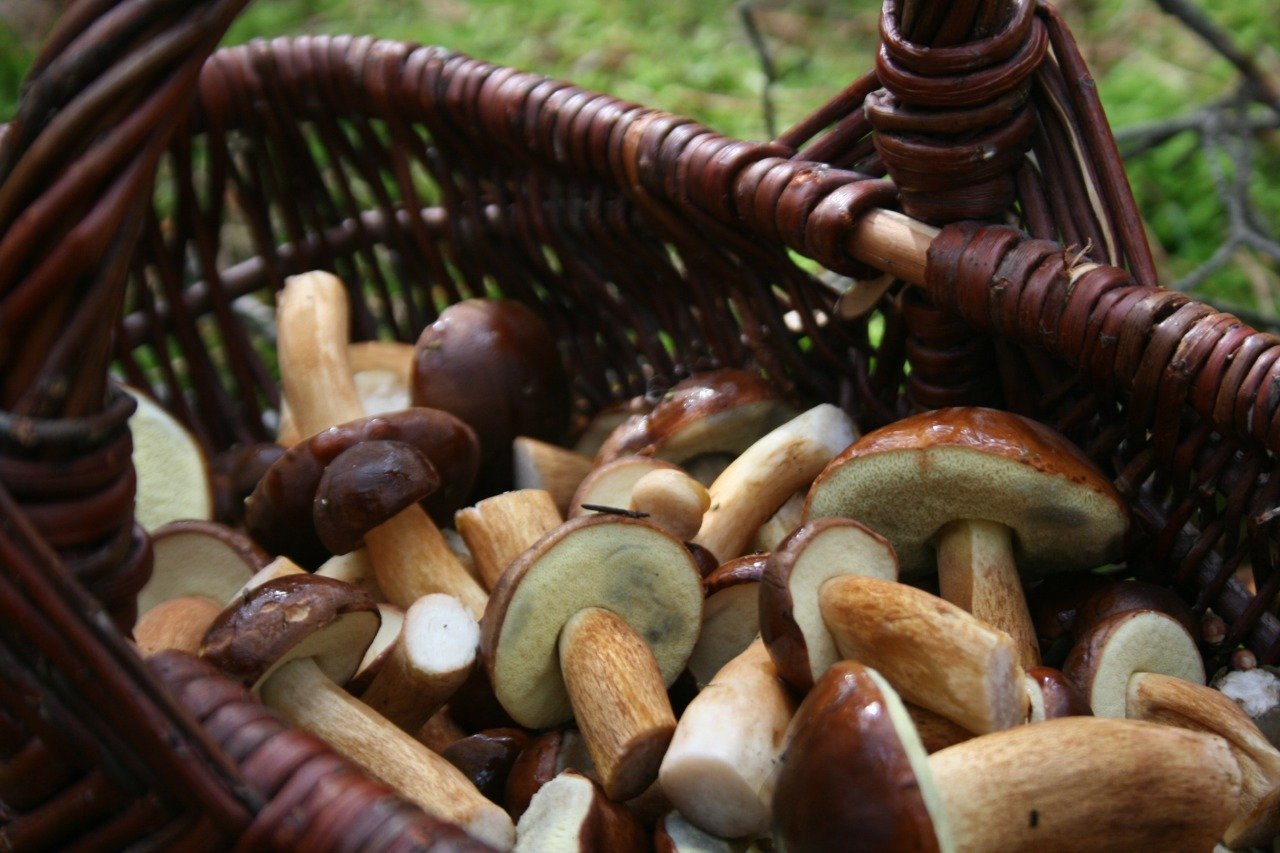
PLIt may be a cliché, but as the anthem of dreamers and lovers of spending free time in beautiful natural surroundings (Jeremi Przybora and Jerzy Wasowski’s „Na Ryby”) proclaims – “a forest is full of aromas”. And indeed, autumn in Kashubia means mushrooms, mushrooms and more mushrooms. With a bit of luck, you can find Armillarias just a few metres from the Birchy Hills house. And going for a short walk into the nearby bushes, I have (more than once) come across bay boletes, slippery jacks or boletuses. As the years go by, I find less and less chevalier mushrooms, parasol mushrooms or birch boletes, but they do happen. Ah, that perfect umami aroma of a self-found, fleshy parasol mushroom in my frying pan… a hat sizzling in well-heated fat, fried until brown on both sides. The smell of butter and salt in my nostrils, profuse salivation in my mouth as a result of sensory intensification – and there we have it, mushroomer’s madness. Makes one’s hair straighten with joy. For me, all mushrooms have a delicious umami flavour, and the darker the mushroom, the greater the concentration of umami.
Some mushrooms, quite common in Kashubia and known for their rich flavours are forest chanterelles, boletes, porcinos.
Drying mushrooms intensifies their flavour, and dried mushrooms generally have more umami than fresh ones. Examples of mushrooms that are commonly dried to preserve and enhance their flavour are boletes, porcino and shiitake mushrooms.
Adding fresh, dried or powdered mushrooms to cooked dishes will make them more flavoursome and nutritious. And reportedly they inspire reduced use of salt (remember high blood pressure, remember, because you are not a spring chicken anymore). In addition, mushrooms have a pH level of around 6.00-6.70. Although this is not considered an alkaline pH level, mushrooms are actually alkalising. This means that they help your stomach to neutralise stomach acid and also prevent the development of unpleasant reflux symptoms.
A cup of mushrooms provides plenty of niacin, also known as vitamin B3. This nutrient keeps our nervous system, digestive system and skin healthy. It also helps to convert food into energy and distribute it throughout the body. Since niacin is an essential nutrient that contributes to many processes in the body, and many people don’t get enough of it, adding mushrooms to the diet is a great way to take in enough of this micronutrient.
Well, but back to the important stuff, here is my recipe for parasol mushrooms:
• Clean the mushroom, wash under cold water and lay them sheet side down to drain.
• Coat in flour, then in beaten eggs (parasol mushrooms like eggs), freshly ground black pepper and dried thyme, and finally in breadcrumbs.
• Such a cutlet is fried in well-heated clarified butter until brown on both sides, as I mentioned before. Salt after frying (not much for goodness sake).
And there you have it, mushroom is a many-splendored thing.
And besides, who doesn’t love damp mornings and golden afternoons with soft moss underfoot….